
In the current climate of the UK engineering sector, the “skills gap” is a phrase often cited as the primary barrier to growth.
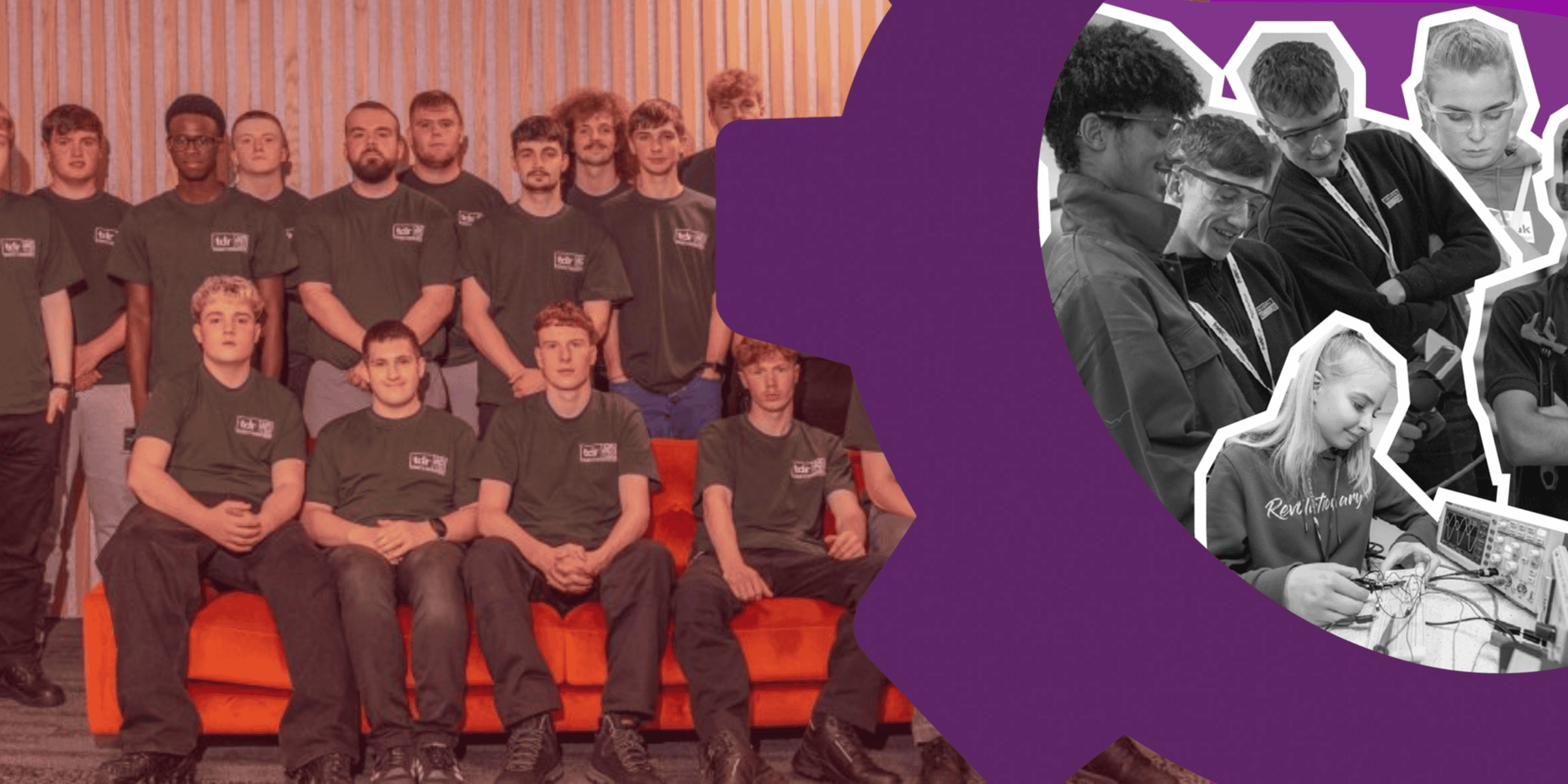
However, recent news from the North East offers a powerful counter-narrative to the idea that young people are no longer interested in manufacturing careers. British Engines, a long-standing member of the Next Gen Makers community, recently announced the intake of 29 new apprentices across its diverse engineering businesses.
While the intake itself is a positive indicator of regional growth, the truly remarkable figure lies in the volume of interest: the company received a staggering 490 applications for these 29 positions. This represents a ratio of nearly 17 applicants for every available spot, a level of demand that many manufacturers struggle to comprehend, let alone achieve.
For those of us dedicated to engineering apprenticeships, this success story is not an outlier or a matter of luck. It is the result of a deliberate, long-term strategy focused on employer branding, community engagement, and a commitment to high-quality training. As a celebrated NGM member, British Engines is demonstrating what is possible when a manufacturer treats its apprenticeship scheme as a core pillar of its business strategy rather than a secondary HR function.
The Data Behind the Success: A Legacy of Excellence
To understand why 490 individuals applied for a role at British Engines, we must look at the foundation the company has built over decades. Since 1966, the British Engines Group has trained over 1,000 apprentices. This longevity provides a level of institutional stability that is highly attractive to both parents and prospective apprentices.
The current intake includes individuals aged 16 to 23, covering a broad spectrum of critical engineering and support roles, including:
- Machining
- Maintenance
- Design
- Purchasing
- Engineering Support
Currently, one in ten employees at British Engines is an apprentice. This high density of early-career talent creates a culture of peer support and mentorship that is often missing in firms with smaller, more isolated schemes. When an applicant sees that 10% of the workforce is on the same journey as them, the perceived risk of entering a new industry is significantly lowered.
Why Do They Get So Much Interest?
Attracting nearly 500 applicants requires more than just posting a job on a government portal. According to Andrew Myers, who leads the apprenticeship scheme at British Engines, the focus has consistently been on enhancing the programme to meet modern expectations.
1. Clear Progression Pathways
One of the most compelling aspects of the British Engines story is the visible career trajectory. Many of the company’s current senior leaders: including directors and shop-floor managers: started their careers as apprentices within the same workshops. For a 16-year-old applicant, the apprenticeship isn’t just a four-year training programme; it is a clear path to a senior management role. This long-term “career-first” messaging is a hallmark of employer excellence.
2. Technology-Driven Training
Today’s “Next Gen” talent has grown up in a digital-first world. British Engines appeals to this demographic by integrating new technologies and digital learning tools into their structured development pathways. By moving away from purely traditional methods and embracing advanced manufacturing tech, they position themselves as a forward-thinking employer that is relevant to the future of the industry.
3. A “Community Hero” Reputation
Reputation is built through action, and British Engines recently solidified theirs through a significant act of industry solidarity. When Union Electric Steel in Gateshead announced its closure, British Engines stepped in to relocate six apprentices who would otherwise have seen their training terminated.
This move did more than just save six careers; it sent a powerful message to the North East community that British Engines is a guardian of engineering talent. This “community hero” status builds a level of brand trust that translates directly into high application volumes during recruitment cycles. We often see this level of commitment in our good news stories where manufacturers go above and beyond to support the wider ecosystem.
What This Means for Engineering & Manufacturing Employers
The success of British Engines provides a blueprint for other manufacturers, particularly those currently struggling to find talent. If your business is finding it difficult to attract even a handful of quality candidates, it is time to reassess your “Employer Value Proposition” (EVP).
Key Takeaways for Employers:
- Visibility is Vital: You cannot rely on recruitment agencies alone. You must build a presence in schools and local communities years before you need the talent.
- Structure Equals Quality: High-calibre candidates are looking for structured programmes with clear outcomes. If your apprenticeship feels like “making it up as we go,” you will lose the best talent to firms like British Engines.
- Benchmark Your Scheme: Are you providing a gold-standard experience? Using tools like our Apprenticeship Self-Assessment allows you to see how you measure up against industry leaders.
Practical Advice: Replicating the Success
Replicating a 60-year legacy overnight is impossible, but you can begin implementing the same best practices today.
Focus on Employer Branding
Your company needs to be seen as a “destination employer.” This involves showcasing your facilities, your people, and your successes. We have seen many members find success by opening their doors to the next generation, such as when SJG International opened their doors to inspire local students.
Invest in a Structured Best Practice Programme
Building a class-leading apprenticeship scheme requires a framework. At Next Gen Makers, our Best Practice Programme is designed specifically to help manufacturers transition from “having apprentices” to “running a world-class apprenticeship scheme.” This programme focuses on the strategic pillars of recruitment, retention, and development, ensuring that your firm becomes a magnet for talent.
Achieve Accreditation
The 490 applicants who applied to British Engines did so because they trusted the brand. For many SMEs, that trust needs to be earned and verified. Our Employer Accreditation serves as a “seal of approval” that tells the market, the schools, and the parents that your business is a safe and rewarding place for a young person to start their career.
Conclusion: Strengthening the Talent Pipeline
The story of British Engines is a reminder that the demand for engineering apprenticeships is alive and well. The “skills gap” is often a “branding and engagement gap.” When manufacturers offer high-quality training, clear progression, and a commitment to their community, the talent follows.
As a proud NGM member, British Engines continues to set the pace for the North East and the wider UK manufacturing sector. We encourage all employers in the sector to look at these results not with envy, but as a challenge to elevate their own schemes. By professionalising our approach to skills development, we can ensure that the next generation of makers has the opportunities they deserve.
Are you ready to transform your apprenticeship scheme into a talent magnet?
- Start with our Apprenticeship Self-Assessment to identify areas for improvement.
- Book a call with our team to discuss how the Best Practice Programme can help you attract the best talent in your region.